
Precision Bone Exposure With the Langenbeck Periosteal Elevator
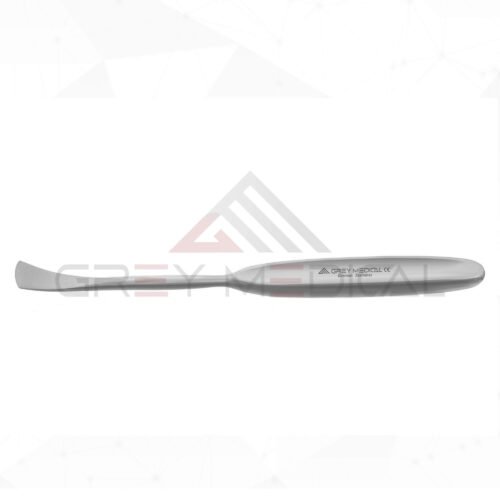
A langenbeck elevator is a specialized surgical instrument engineered to lift, separate, and reflect the periosteum and surrounding soft tissues away from underlying bone surfaces. Preserving the periosteal layer matters deeply during operative care because this membrane supplies essential blood flow and supports healthy bone healing. When a langenbeck elevator surgeon prepares a bone for fracture fixation, plating, or joint reconstruction, clean elevation prevents unnecessary tissue tearing and creates a clear visual field. The instrument allows controlled leverage along bone contours so delicate soft tissues stay protected throughout the procedure.
Ergonomic Design and Blade Geometry
Selecting a langenbeck elevator means working with a balanced profile that pairs a comfortable grip with a carefully shaped working tip. Depending on the surgical preference and anatomical site, blades are available in sharp or blunt configurations across varying widths and lengths to suit both broad exposure and tighter spaces. A slightly curved or angled working end hugs natural bone surfaces while reducing the risk of slipping or gouging cortical bone. Surgeons benefit from steady tactile feedback that helps distinguish fibrous tissue layers from firm bone beneath them.
Applications Across Surgical Specialties
In orthopedic and trauma procedures, a langenbeck elevator helps expose long bones such as the femur, tibia, radius, and humerus before placing plates, screws, or implants. Maxillofacial, oral, and reconstructive teams also rely on similar periosteal elevation principles when accessing facial skeletons, jaws, or nasal frameworks where space is limited. Because periosteal stripping demands steady control rather than excessive force, a well-proportioned elevator supports smooth dissection without shredding delicate adjacent structures. Consistent tissue reflection shortens operative friction and helps keep the surgical site organized.
Material Quality and Sterilization Reliability
Every langenbeck elevator intended for repeated operating room use must withstand rigorous cleaning, inspection, and steam sterilization cycles without pitting or losing edge integrity. High-grade surgical stainless steel offers corrosion resistance, structural strength, and dependable longevity across years of clinical service. Smooth surface finishes also adson elevator simplify decontamination in central sterile processing departments so instruments remain safe and ready for every case. Reliable metallurgy directly supports clinical confidence when precision cannot be compromised.
Choosing the Right Size and Tip Profile
Choosing a langenbeck elevator for a surgical tray depends on the depth of the approach, the width of the bone surface, and whether the surgeon prefers a sharper edge for stubborn attachments or a blunter edge for gentler lifting. Narrower blades give nimble access in confined recesses, whereas wider blades distribute pressure across broader bone segments during tissue reflection. Thoughtful tray standardization helps operating room teams stock versatile sizes that match real clinical workflows rather than overcrowding instrument sets. Matching tip geometry to the task keeps tissue handling smooth from incision to closure.
Conclusion
Careful periosteal elevation sets the foundation for accurate bone repair, secure hardware placement, and smoother patient recovery across orthopedic and reconstructive procedures. By combining thoughtful blade geometry, balanced ergonomics, and durable surgical-grade steel, a dependable periosteal elevator helps medical teams work cleanly and efficiently in demanding environments. Grey Medical remains committed to supplying surgical instruments built for consistent performance, clear handling, and lasting value in modern healthcare.