Rayfitout on July 27, 2026 No Comments
Dupuytren’s contracture can gradually affect how your fingers move, making everyday tasks like gripping objects, shaking hands, or placing your hand flat on a surface more difficult. This condition develops when the connective tissue beneath the skin of the palm becomes thicker and tighter, sometimes causing fingers to bend toward the palm.
While there is no guaranteed natural method that can reverse Dupuytren’s contracture, many people explore supportive approaches to maintain flexibility, comfort, and hand function. Natural remedies for Dupuytren’s contracture often focus on gentle stretching, massage techniques, hand care habits, and supportive tools that may help improve daily movement.
Understanding the condition and using safe, consistent hand-care practices can play an important role in maintaining mobility and protecting hand function over time.
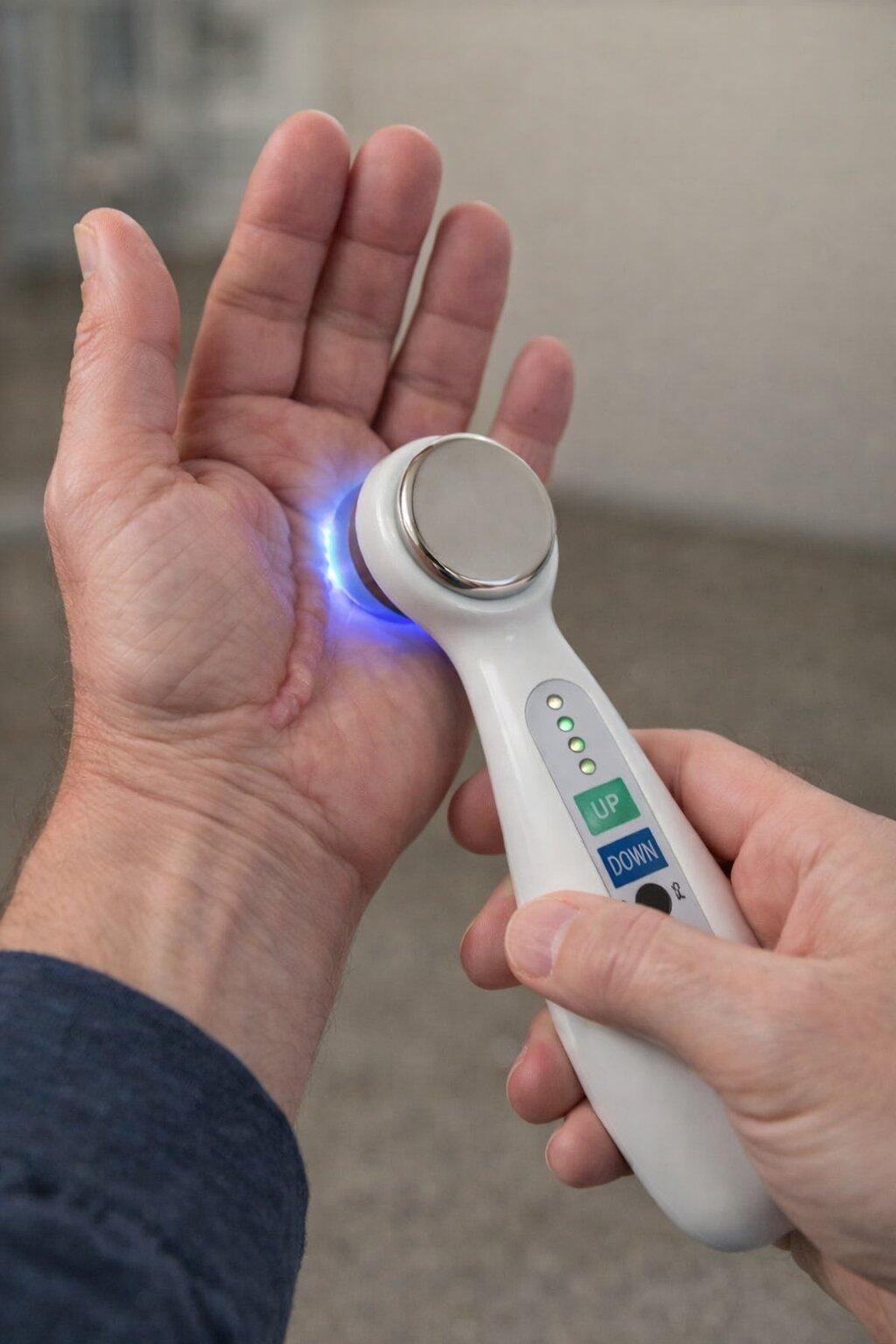
What Is Dupuytren’s Contracture?
Dupuytren’s contracture is a condition that affects the fascia, a layer of connective tissue located under the skin of the palm. Over time, this tissue may become thicker and form tight bands or nodules that restrict finger movement.
The ring finger and little finger are commonly affected, although any finger can be involved. Symptoms usually develop slowly and may include:
- Small lumps or nodules in the palm
- Tightness or thickened skin
- Difficulty fully straightening fingers
- Reduced hand flexibility
- Changes in grip ability
The progression of Dupuytren’s contracture varies from person to person. Some people experience mild changes, while others develop more noticeable finger bending.
Can Natural Remedies Help Dupuytren’s Contracture?
Many people search for natural approaches because they want to support their hands without immediately considering invasive procedures. Natural methods generally focus on maintaining flexibility and reducing discomfort associated with stiffness.
Although research on natural treatments is limited, several supportive practices may help promote healthier hand movement:
Gentle Stretching
Regular stretching can help maintain range of motion. Simple movements such as slowly extending the fingers, opening and closing the hand, and stretching the palm may encourage flexibility.
It is important to avoid forcing the fingers straight, as aggressive stretching may irritate the tissues.
Warm Therapy
Warmth can help relax muscles and soft tissues before performing hand exercises. Some people use warm water soaks or warm compresses as part of their daily hand-care routine.
Consistent Hand Mobility Practice
Small daily exercises are often more beneficial than occasional intense sessions. Keeping the hands active may help preserve function and reduce stiffness.
Dupuytren’s Contracture Castor Oil: What You Should Know
The use of Dupuytren’s contracture castor oil is a commonly discussed natural approach among people looking for supportive hand-care options. Castor oil has traditionally been used in wellness routines because of its moisturizing properties and ability to provide a soothing massage experience.
When applied with gentle massage, castor oil may help keep the skin soft and support a comfortable hand-care routine. However, there is currently limited scientific evidence proving that castor oil can dissolve Dupuytren’s nodules or reverse tissue changes.
A practical way people use castor oil includes:
- Apply a small amount of castor oil to the palm.
- Massage gently around stiff areas.
- Avoid pressing directly on sensitive lumps or painful areas.
- Follow with light stretching exercises if comfortable.
The main benefit may come from the combination of moisturizing, massage, and regular hand movement rather than the oil itself changing the underlying condition.
Gentle Hand Exercises for Finger Flexibility
Exercise is often included in supportive care plans because maintaining movement is important for hand function.
Finger Extension Stretch
Place your hand flat on a table and gently try to straighten your fingers. Hold the position briefly without forcing movement.
Finger Spread Exercise
Slowly spread your fingers apart and bring them back together. This can help encourage controlled movement.
Soft Grip Practice
Using a soft ball or flexible object, gently squeeze and release. Avoid excessive pressure if it causes discomfort.
Regular movement may help maintain flexibility, especially when combined with other supportive approaches.
Using Splints for Dupuytren’s Contracture
Many people look for splints for Dupuytren’s contracture because splinting may provide support and help maintain finger positioning.
Splints are designed to hold fingers in a specific position, especially after certain treatments or when recommended by a healthcare professional.
Potential benefits of supportive splints include:
- Helping maintain finger extension
- Supporting stretching routines
- Providing stability during recovery periods
- Encouraging proper hand positioning
However, splints are not suitable for everyone. Wearing an incorrect splint or using excessive pressure may cause discomfort or limit natural movement.
A properly fitted splint should feel supportive without causing numbness, pain, or circulation problems.
Massage and Hand Care Techniques
Massage can be a useful part of a general hand-care routine. Gentle massage may improve comfort by encouraging relaxation of surrounding tissues.
A simple approach:
- Use slow circular movements on the palm.
- Massage surrounding areas rather than aggressively pressing lumps.
- Combine massage with gentle finger movements.
- Stop if discomfort increases.
Using a moisturizing oil or lotion can also reduce skin dryness and make massage more comfortable.
Lifestyle Habits That Support Hand Health
Although lifestyle changes cannot eliminate Dupuytren’s contracture, healthy habits may support overall hand wellness.
Maintain Regular Movement
Avoid keeping the hand inactive for long periods. Light daily activities can help maintain coordination and flexibility.
Protect Your Hands
Repeated hand injuries or excessive strain may contribute to irritation. Use proper techniques during activities that require gripping or repetitive movements.
Support Overall Wellness
Balanced nutrition, regular physical activity, and good circulation habits contribute to general tissue health.
When to Consider Professional Guidance
Natural approaches may be helpful for supporting hand comfort, but it is important to monitor changes in symptoms.
Consider speaking with a healthcare professional if you notice:
- Fingers becoming increasingly bent
- Difficulty completing daily activities
- Rapid changes in hand movement
- Significant discomfort
- Problems using the affected hand
Early evaluation can help determine appropriate options based on the severity and progression of the condition.
Frequently Asked Questions
1. Can castor oil cure Dupuytren’s contracture?
No. Castor oil is not proven to cure Dupuytren’s contracture. It may be used as part of a supportive hand-care routine that includes massage and flexibility exercises.
2. Are natural remedies effective for Dupuytren’s contracture?
Natural approaches may help support comfort and mobility, but they do not replace medical evaluation or proven treatments when the condition progresses.
3. How often should I exercise my hand for Dupuytren’s contracture?
Many people benefit from gentle daily movement. Exercises should be comfortable and should not cause increased pain or irritation.
4. Do splints help with Dupuytren’s contracture?
Splints may help support finger positioning in certain situations, especially when recommended as part of a broader care plan.
5. Can massage break down Dupuytren’s nodules?
Massage cannot be confirmed to break down Dupuytren’s nodules. However, gentle massage may support relaxation and comfort in surrounding tissues.


You must be logged in to post a comment.