
How to Deal With Carpet Browning After Cleaning in Denver, CO
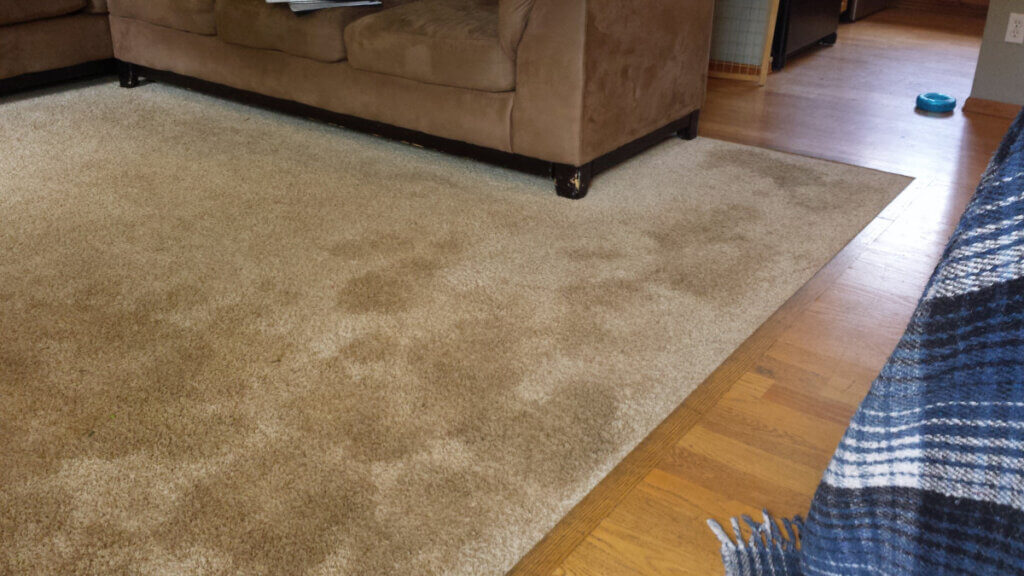
Brown or yellowish areas after carpet cleaning can be frustrating, especially when the carpet looked fresh right after service. Carpet browning often happens when moisture reaches the backing or brings soil toward the surface as the carpet dries. Denver homes may also experience this because of heating, dry air, tracked in soil, and older carpet fibers. Working with experienced carpet cleaning service denver co providers can help identify the cause. Carpet Cleaners Denver can check the carpet type, cleaning history, and moisture levels before choosing a method. A careful approach can reduce repeat discoloration and help protect the carpet after service.
Why Does Carpet Browning Happen After Cleaning?
Carpet browning is often linked to the backing, especially with natural fibers such as wool or plant based fibers. When these materials become very wet, compounds in the backing can move upward and leave brown or yellow marks as the carpet dries.
Soil wicking is another common cause. Dirt below the visible surface can move upward as moisture evaporates, making hidden stains appear again. Too much cleaning solution or slow drying can contribute as well.
Carpet Cleaners Denver can determine whether moisture, soil, residue, or the carpet material is causing the discoloration. Finding the cause matters because adding more water may make the problem worse. Early inspection can prevent moisture and soil from creating deeper discoloration.
How Denver Conditions Can Affect Carpet Drying
Denver has a dry climate, but carpet does not always dry quickly. Indoor humidity, ventilation, temperature, padding, and the amount of water used all affect drying time. Carpet may feel dry on top while moisture remains underneath.
Poor airflow can leave moisture trapped around furniture. When carpet stays damp too long, soil can move toward the surface and create brown patches. Carpet Cleaners Denver often recommend better airflow after cleaning. Use fans, open doors when practical, and keep heavy furniture off damp areas. Good air circulation supports faster and more even drying.
Watch for Lingering Moisture
Check the carpet after several hours. Padding can hold moisture longer than the surface. If an area stays cool or damp, improve airflow and allow more drying time.
How to Reduce Carpet Browning After Cleaning
The best prevention is controlling moisture while removing soil effectively. A cleaning company should choose a method that fits the carpet fiber, backing, padding, and condition.
Give the Carpet Enough Airflow
Use ceiling fans, portable fans, or open windows when outdoor conditions allow. Avoid walking across damp areas unless necessary. Good airflow helps moisture leave evenly.
Avoid Excess Cleaning Solution
Too much solution can leave residue and increase drying time. Experienced Carpet Cleaners Denver use suitable amounts of cleaning product and extraction. Proper extraction is important during deep cleaning.
Treat Stains Carefully
If browning appears, avoid soaking the area with household cleaners. More moisture may push soil deeper or spread discoloration. A trained carpet cleaner can inspect the spot and select a suitable treatment.
What Can You Do When Browning Appears?
If brown areas appear after cleaning, let the carpet dry completely first. Some discoloration becomes less noticeable as moisture leaves. Once dry, vacuum gently.
If marks remain, professional carpet stain removal may help. A technician can determine whether the issue comes from soil, backing materials, old spills, or fiber changes.
Carpet Cleaners Denver can inspect the padding and surrounding areas when needed. This can help identify conditions that allow moisture or soil to return to the surface. Avoid repeated do it yourself treatments because hard scrubbing can damage fibers and excess water can increase wicking. Avoid repeated wet cleaning until the cause is clear, especially on older carpet. This can protect fibers and padding.
Preventing Future Carpet Discoloration and Choosing Cleaning Help
Routine care helps keep Denver carpets cleaner between professional services. Vacuum busy areas regularly to remove dry soil before it settles deeper. Blot spills quickly with a clean cloth instead of rubbing them in. Use entry mats to reduce outdoor dirt and clean them often.
Not every carpet needs the same cleaning process. Fiber type, age, backing, padding, stains, and indoor conditions affect the right approach. When comparing Carpet Cleaners Denver, ask how they handle browning, which method they recommend, and how they control moisture. Carpet Cleaners Denver should also explain expected drying time.
Denver homeowners can look for providers serving Aurora, Commerce City, Arvada, and Littleton. Local experience may help with common carpet care concerns. Ask about cleaning frequency based on traffic, pets, children, and carpet type. Keep people and pets away until the carpet is fully dry. Carpet Cleaners Denver can make future cleaning easier and help preserve a cleaner appearance between appointments. This is especially helpful for homes.
FAQs
Why does my carpet turn brown after cleaning?
Brown carpet after cleaning can result from soil wicking, moisture, residue, or compounds moving from the backing.
Can carpet browning be removed?
Many cases improve with proper drying and targeted cleaning. Treatment depends on the carpet fiber and cause.
How long should carpet take to dry in Denver?
Drying time varies with airflow, humidity, padding, temperature, and cleaning method.
Should I clean brown spots again myself?
Avoid soaking or scrubbing hard because extra moisture can increase wicking and fiber damage.
How can I prevent carpet discoloration after cleaning?
Use suitable methods, control moisture, improve airflow, remove spills quickly, and vacuum regularly. If browning returns repeatedly, ask a carpet cleaning technician to inspect the backing and padding before another wet treatment.
Conclusion
Carpet browning can often be managed when the cause is identified early and moisture stays controlled. Proper airflow and careful cleaning can improve appearance. Carpet Cleaners Denver can assess recurring brown areas after cleaning. For dependable help with discoloration or routine carpet care, Contact Ever Steam Carpet Cleaners and schedule your service today. Call Now to arrange a carpet cleaning appointment in Denver.