
How Does an SPST On-Off Push Button Switch Deliver Reliable Circuit Control?
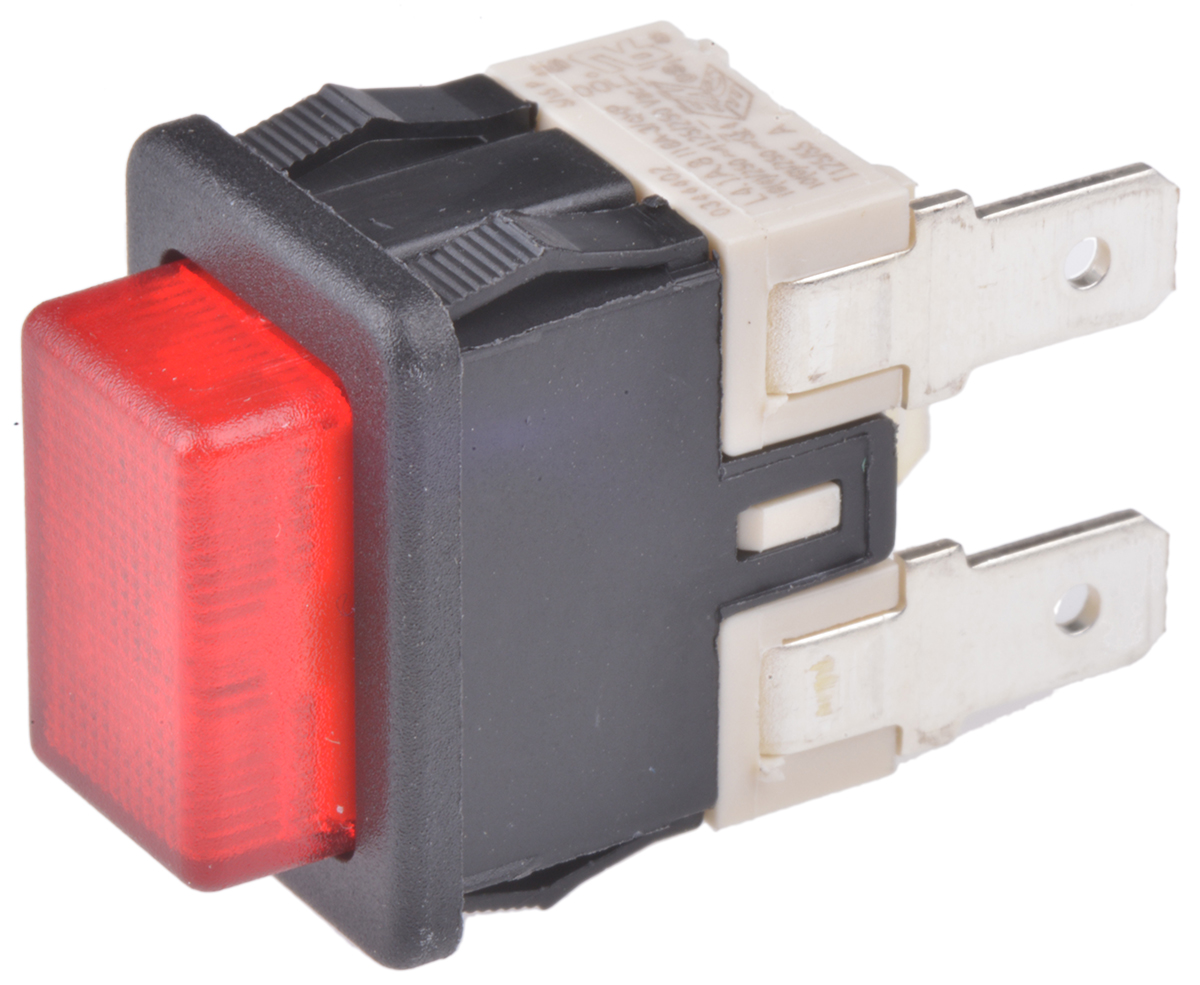
A single button can make electrical equipment easier to operate, but choosing the right switching mechanism matters just as much as its appearance. An SPST On-Off Push Button Switch offers a straightforward way to connect or disconnect one electrical circuit. When built with a maintained-action mechanism, it lets users change the circuit state with a press and leave it there without holding the button.
Understanding its contact arrangement, ratings and installation requirements helps avoid common selection mistakes.
What Does SPST Mean in a Push Button Switch?
SPST stands for single pole, single throw. “Single pole” means the switch controls one independent electrical path, while “single throw” means it makes or breaks that path rather than selecting between two destinations.
An SPST switch generally has two switching terminals. When the contacts close, the electrical path is completed; when they open, that path is interrupted. The designation describes the contact arrangement, not the physical size, voltage rating or way the button returns after being pressed.
How Does an SPST On-Off Push Button Switch Work?
In a maintained or latching design, the first press changes the contacts from OFF to ON. The internal mechanism holds that position after the user releases the actuator. A subsequent press changes the contacts back to OFF.
The electrical sequence is simple:
- OFF position: The contact path is open, so current cannot flow through that switched path.
- First press: The mechanism closes the contact path.
- Released button: The maintained mechanism keeps the circuit ON.
- Next press: The contacts open, returning the circuit to OFF.
Some push buttons look identical but work only while pressed. Always check the manufacturer’s switch-function diagram instead of assuming that every push button marked SPST has a latching action.
How Is Latching Different from Momentary Operation?
A momentary normally open push button closes its contacts only during actuation. It is useful for a doorbell, reset command or short control pulse. A latching On-Off button maintains its selected state and suits functions requiring a persistent command.
This distinction is particularly important in motor controls and equipment that should not restart unexpectedly. A maintained switch is not automatically an appropriate emergency-stop device or a substitute for a safety-rated control circuit.
Where Are SPST On-Off Push Button Switches Used?
The application must match the switch’s electrical and environmental specifications.
Typical uses include:
- Equipment panels: Turning compatible auxiliary functions on and off.
- Electronic enclosures: Providing user control for low-voltage circuits.
- Lighting assemblies: Operating appropriately rated lamps or control inputs.
- Test benches: Enabling or disabling selected measurement circuits.
- Hobby electronics: Offering simple, physical control in prototypes.
- Industrial interfaces: Sending maintained commands to control relays or suitable inputs.
For high-current loads, the push button may be better used to operate a correctly specified relay or contactor rather than carrying the entire load directly.
What Features Should You Check Before Choosing a Switch?
The right switch must fit the enclosure and handle the electrical demands of its circuit.
Consider these specifications:
- Contact rating: Confirm voltage, current, AC or DC suitability and load type.
- Switching action: Select maintained On-Off operation when a retained state is required.
- Mounting dimensions: Verify panel cut-out, body depth and mounting hardware.
- Terminal style: Choose solder, screw or quick-connect terminals to suit the design.
- Mechanical endurance: Check the stated number of operating cycles.
- Environmental protection: Look for an appropriate sealing or IP rating if exposed to dust or water.
- Actuator design: Consider button size, colour, tactile feedback and illumination.
Why Do Voltage and Current Ratings Matter?
Contacts can behave differently when switching direct current, alternating current or inductive loads. An inrush current from a lamp or motor may also exceed its steady-state value. Check the relevant datasheet rather than using a headline amperage figure without its test conditions.
How Should an SPST On-Off Push Button Switch Be Installed?
Installation starts with confirming that the circuit is de-energised and that the selected switch is correctly rated. The two switching terminals are normally connected in series with the circuit or control input being operated, following the equipment’s wiring diagram.
A careful installation includes:
- Checking the terminal identification and contact diagram.
- Securing the switch firmly in the correct panel opening.
- Using conductors and terminations appropriate to the circuit.
- Protecting wiring against strain, abrasion and accidental contact.
- Testing ON and OFF operation before returning equipment to service.
Work involving mains voltage or industrial machinery should be carried out by appropriately qualified personnel. A basic SPST switch should not be treated as a protective isolator unless specifically certified for that purpose.
What Problems Can Affect Push Button Switch Performance?
Common problems include loose connections, worn contacts, contamination and mechanical damage. An intermittent output may also result from a switch whose electrical rating is unsuitable for the connected load.
Contact bounce can briefly produce repeated transitions when contacts change state. In digital control systems, suitable software or hardware debouncing can help prevent false readings. For a damaged or unreliable maintained switch, replacement with an equivalent rated component is generally safer than improvised repair.
Why Is an SPST On-Off Push Button Switch a Practical Control Choice?
An SPST On-Off Push Button Switch provides clear, direct control over a single circuit without the complexity of multi-pole switching. Its usefulness comes from matching a simple interface to the correct operating action, electrical load and installation environment.
For designers, technicians and maintenance teams, careful attention to latching behaviour, contact ratings and safe wiring makes the difference between a convenient button and a dependable control component. With appropriate specification and installation, this compact switching solution can support reliable operation across a wide range of electronic and electrical applications.