
Best Skin Care Clinic for Personalized Skin Treatments and Rejuvenation
Healthy skin requires proper care, suitable treatments, and consistent daily habits. Choosing a Skin Care Clinic can help people understand their skin concerns and explore treatments that match their needs. Skin problems can include acne, uneven tone, dryness, pigmentation, fine lines, and changes in skin texture. A professional assessment can help identify suitable treatment options and establish a practical skincare routine.
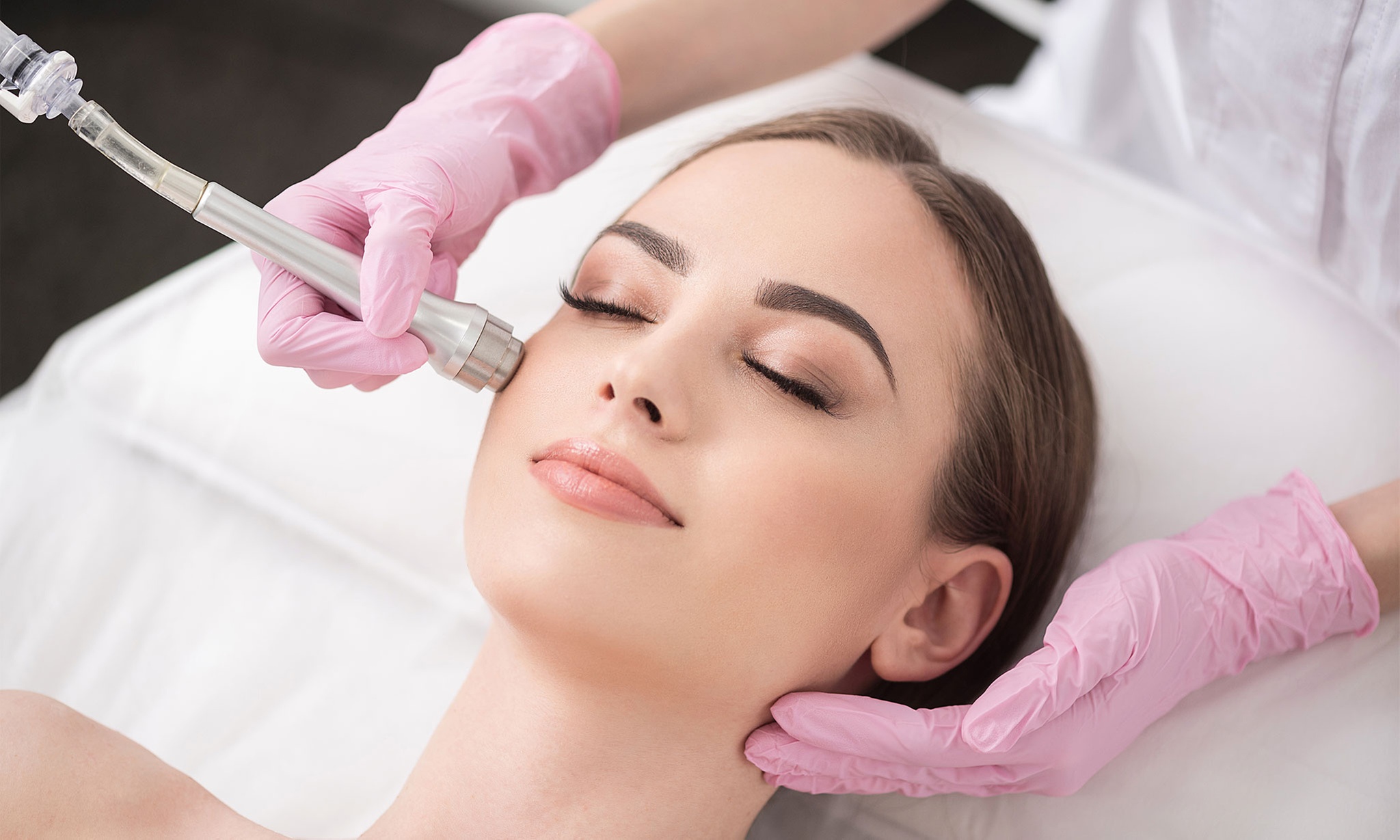
Understanding Your Skin Care Needs
Every person has different skin concerns. Some people experience oily skin and frequent breakouts, while others struggle with dryness, sensitivity, or uneven pigmentation. These concerns can have different causes, so the same treatment may not work for everyone.
Understanding your skin type is an important first step. Normal, oily, dry, combination, and sensitive skin types may respond differently to skincare products and clinical procedures. A professional assessment can help determine which products and treatments are appropriate for your condition.
It is also important to consider your lifestyle and daily habits. Sun exposure, sleep patterns, hydration, and skincare routines can affect the appearance of your skin. A balanced approach that combines suitable treatments with daily care can support healthier-looking skin over time.
The Importance of Professional Skin Treatments
Professional skin treatments can address concerns that may not improve with basic skincare products alone. Depending on the condition, a qualified practitioner may recommend chemical peels, acne treatments, medical-grade skincare, or other suitable procedures. The right choice depends on the person’s skin type, medical history, and treatment goals.
A proper consultation should take place before beginning any procedure. During this appointment, the practitioner can review the skin concern, explain the available options, and discuss possible side effects. Patients should also understand how many sessions may be needed and what results they can reasonably expect.
Professional care should focus on safety rather than promising immediate results. Some treatments require several sessions, while others may involve temporary redness, irritation, or a recovery period. Following the recommended aftercare instructions can help reduce complications and support the healing process.
Mole Removal and Skin Assessment
Moles are common skin growths that can appear on different parts of the body. Many are harmless, but some may change in size, shape, or color over time. Any new or changing mole should be assessed by a qualified healthcare professional before cosmetic removal is considered.
A Mole Removal Clinic can provide an appropriate starting point for people who want to discuss the removal of a raised, irritating, or unwanted mole. The suitable procedure depends on the mole’s appearance, location, and medical assessment. Depending on the findings, a healthcare professional may recommend surgical removal or another appropriate method.
It is important not to remove moles at home using cutting tools, acids, or unverified products. These methods can cause infection, scarring, and delayed diagnosis of a potentially serious skin condition. A mole that bleeds, changes rapidly, develops irregular borders, or shows several different colors should receive prompt medical evaluation.
Improving Uneven Skin Texture
Uneven skin texture can make the skin appear rough or less smooth. Common causes include acne scars, clogged pores, sun damage, dryness, and the natural aging process. Identifying the cause is essential because different concerns require different treatment approaches.
Skin Texture Improvement may involve a combination of appropriate skincare products, professional exfoliation, or procedures selected by a qualified practitioner. Some people may benefit from treatments designed to support collagen production, while others may need acne management or better hydration. The treatment plan should reflect the person’s skin condition and tolerance.
Daily skincare also plays an important role in maintaining smoother skin. Gentle cleansing can remove dirt, oil, and makeup without unnecessarily irritating the skin. A suitable moisturizer helps maintain the skin barrier, while broad-spectrum sunscreen with SPF 30 or higher helps protect against sun damage.
Results vary according to the underlying problem and the treatment selected. Acne scars, for example, may require multiple sessions, while dryness-related roughness may improve with a consistent moisturizing routine. Patients should follow professional guidance and avoid combining strong exfoliating products without advice.
Choosing Treatments for Different Skin Concerns
People often look for solutions to several skin concerns at the same time. These may include acne, dark spots, fine lines, enlarged pores, or uneven skin tone. Although some concerns can be treated together, combining procedures without proper planning may increase irritation.
A qualified practitioner should prioritize the most important concerns and recommend treatments in a suitable order. For example, active acne may need attention before certain scar treatments are considered. Sensitive skin may also require a gentler approach to reduce the risk of inflammation.
Patients should ask about the purpose of each recommended treatment. Understanding the expected benefits, limitations, costs, and recovery requirements can make the decision easier. A clear treatment plan should explain what the procedure involves and how progress will be evaluated.
It is equally important to share information about allergies, medications, previous procedures, and any history of skin reactions. These details can influence which treatments are safe and appropriate. Honest communication helps the practitioner make informed recommendations.
Building a Consistent Daily Skincare Routine
A regular skincare routine can help maintain the results of professional treatments. It does not need to include a large number of products. The most useful routine is one that suits the skin type and can be followed consistently.
A basic routine usually includes a gentle cleanser, moisturizer, and sunscreen. Additional products, such as those containing niacinamide or other active ingredients, may be considered according to specific skin concerns. New products should be introduced gradually to identify possible irritation.
Sun protection is particularly important in Pakistan, where strong sunlight can contribute to pigmentation and premature skin aging. Applying broad-spectrum sunscreen and reapplying it as directed can help reduce UV exposure. Wearing protective clothing and seeking shade can provide additional protection.
People should also avoid frequently switching products in the hope of getting faster results. Some skincare ingredients need several weeks of consistent use before changes become noticeable. If a product causes persistent burning, swelling, or irritation, it should be discontinued and professional advice should be sought.
What to Expect During a Skin Consultation?
A skin consultation allows the practitioner to understand the patient’s concerns and recommend appropriate next steps. The appointment may include a discussion of current products, previous treatments, skin sensitivity, and desired outcomes. Depending on the concern, a physical examination or referral to a dermatologist may be necessary.
Patients should feel comfortable asking questions during the consultation. They can ask how the procedure works, what risks are involved, whether downtime is expected, and how long the results may last. They should also confirm the practitioner’s qualifications and the clinic’s hygiene standards.
A responsible provider will explain when a treatment may not be suitable. They should avoid guaranteeing perfect skin or claiming that one procedure can solve every concern. Clear information helps patients make decisions based on realistic expectations rather than marketing promises.
Maintaining Results After Professional Treatment
Aftercare is an important part of any skin treatment plan. Depending on the procedure, patients may need to avoid strong exfoliants, excessive sun exposure, or certain cosmetic products for a period of time. The exact instructions should come from the treating professional.
Keeping the skin clean and moisturized can support its natural barrier during recovery. Patients should avoid picking, scratching, or peeling treated areas because these actions may increase the risk of irritation and scarring. If unexpected pain, increasing redness, discharge, or other concerning symptoms develop, medical advice should be sought.
Long-term results also depend on regular skincare habits. Maintaining sun protection, using suitable products, and attending follow-up appointments when recommended can help preserve improvements. Treatments may need to be adjusted as the skin changes over time.
Finding the Right Skin Care Services in Faisalabad
Choosing a suitable provider involves more than comparing treatment prices. Patients should consider the practitioner’s qualifications, the cleanliness of the facility, the quality of the consultation, and the transparency of the treatment plan. They should also ensure that medical concerns are assessed appropriately before cosmetic procedures begin.
People in Faisalabad can benefit from discussing their skin goals with a provider who explains the available services and their limitations. Whether the concern involves acne, pigmentation, rough texture, or an unwanted mole, the priority should be a safe and suitable approach. Patients should choose treatments based on professional advice rather than relying solely on online trends or promotional claims.
For individuals seeking professional aesthetic and skincare services, London Aesthetics & Rejuvenation Centre – Faisalabad is an option to explore in Kohinoor City Faisalabad and the surrounding areas. The centre can be contacted to learn more about its available services, consultation process, and treatment suitability. Choosing the right care and following a consistent skincare routine can help support healthier-looking skin and informed treatment decisions.