
Best Abdominoplasty in Dubai: How Is Treatment Personalised for Different Body Types?
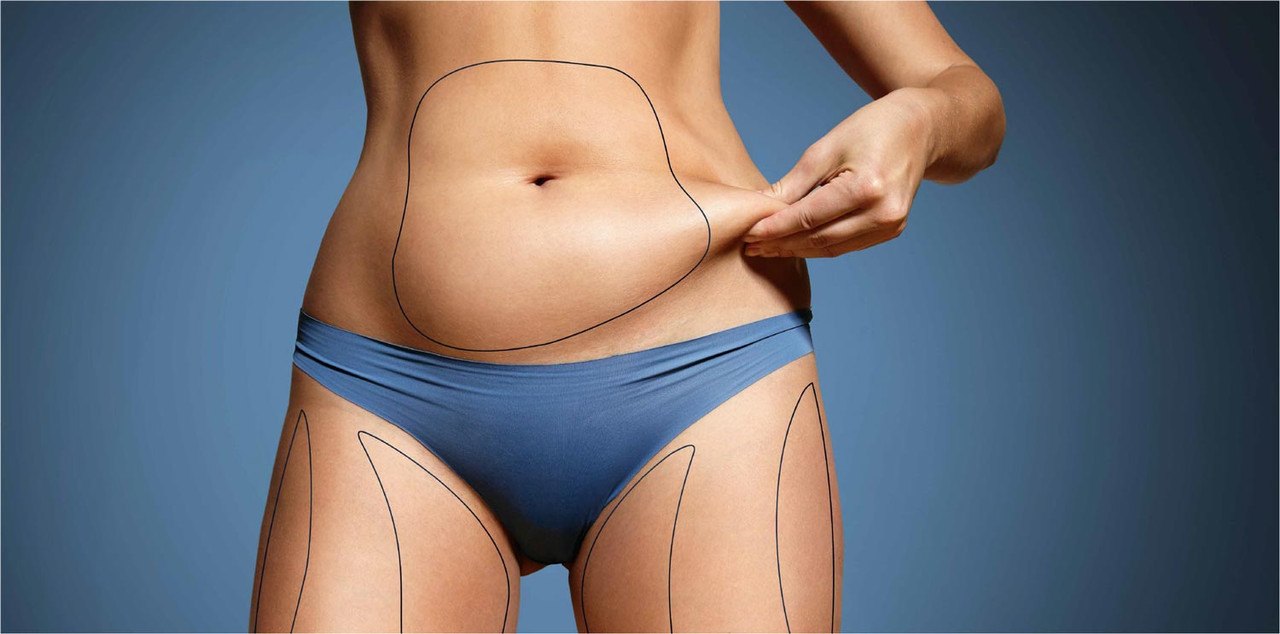
Abdominoplasty, commonly known as a tummy tuck, is a surgical procedure designed to improve the abdominal contour by removing excess skin and, when appropriate, tightening weakened abdominal muscles. Although many people consider this procedure after significant weight changes, pregnancy, or age-related changes in skin elasticity, every individual has different anatomical characteristics and aesthetic goals. For this reason, treatment planning should be tailored to the patient’s body type rather than following a standard surgical approach.
Choosing the Best abdominoplasty Dubai option involves understanding how skin quality, fat distribution, abdominal muscle condition, body proportions, and overall health influence surgical planning. A personalised approach allows the surgeon to consider the patient’s existing shape and develop a treatment plan that aims for balanced, natural-looking results.
Dubai offers access to a range of cosmetic surgery services, making it important for patients to focus on appropriate clinical assessment, surgeon qualifications, and clear communication about their expectations. Understanding how abdominoplasty can be adapted for different body types can help individuals make informed decisions about their treatment journey.
Understanding the Importance of Personalised Abdominoplasty
No two abdominal areas are exactly alike. Some individuals have loose skin concentrated below the belly button, while others experience more extensive skin laxity across the upper and lower abdomen. Some may also have separated abdominal muscles, stubborn fat deposits, or changes in body contour following pregnancy or substantial weight loss.
A personalised treatment plan begins with an assessment of these differences. The surgeon considers which concerns can be addressed through skin removal, whether muscle tightening may be appropriate, and whether another technique could better suit the patient’s anatomy.
The objective is not simply to make the abdomen appear flatter. It is to create a contour that complements the patient’s overall proportions while respecting their individual anatomy and realistic expectations.
When researching the Best abdominoplasty Cost in Dubai, patients should also understand that the recommended procedure can influence the overall cost. The extent of surgery, surgical setting, anaesthesia, and follow-up arrangements may all contribute to the final treatment estimate.
How Body Type Influences Abdominoplasty Planning
Body type can influence how excess skin and fat are distributed around the abdomen. However, body shape alone does not determine the most suitable procedure. Two people with similar proportions may have different skin elasticity, muscle strength, previous surgical history, and treatment goals.
During a consultation, the surgeon typically evaluates the abdominal wall, skin folds, fat distribution, and the relationship between the waist, hips, and torso. The patient’s medical history and expectations are also important considerations.
This assessment helps establish whether a full tummy tuck, mini tummy tuck, or a more extensive approach may be appropriate. In selected cases, additional contouring procedures may be discussed if they are suitable for the patient’s circumstances.
Personalisation means selecting the approach that addresses the patient’s actual concerns rather than recommending the same procedure to everyone.
Abdominoplasty for Individuals With a Slim Body Type
People with a naturally slim body type may seek abdominoplasty because of loose skin that remains despite maintaining a stable weight and following a healthy lifestyle. This can occur after pregnancy, previous weight fluctuations, or changes in skin elasticity.
In these cases, the main concern may be excess skin rather than a substantial amount of abdominal fat. The surgeon therefore assesses the amount and location of loose tissue, along with the condition of the underlying abdominal muscles.
If the excess skin is limited to the lower abdomen, a mini tummy tuck may be considered. This approach generally focuses on the area below the belly button and may be appropriate for selected patients with relatively limited skin laxity.
If loose skin extends across a larger part of the abdomen, a full abdominoplasty may provide a more suitable approach. The decision depends on the patient’s anatomy rather than body weight alone.
For slim individuals, preserving natural body proportions is particularly important. The goal is to improve the abdominal contour without creating an appearance that seems disproportionate to the waist, hips, or upper body.
Treatment Planning for Individuals With a Fuller Body Type
Individuals with a fuller body type may have concerns involving both abdominal fullness and excess skin. However, it is important to distinguish between fat beneath the skin, deeper abdominal fat, and loose skin because these features require different considerations.
Abdominoplasty primarily addresses excess skin and may include tightening of the abdominal muscles when indicated. It is not a weight-loss procedure and cannot remove all fat located within the abdominal cavity.
For patients with a fuller body type, the surgeon evaluates body weight stability, skin quality, fat distribution, and general health before recommending surgery. If significant weight loss is a current goal, the patient may benefit from discussing weight management and the timing of surgery before proceeding.
Where appropriate, liposuction may be considered alongside abdominoplasty to refine selected areas of superficial fat. However, suitability depends on individual anatomy and the proposed surgical plan.
The priority is to select a realistic approach that improves the abdominal shape while maintaining harmony with the patient’s natural proportions. A careful consultation also helps clarify which concerns surgery can address and which may require a different strategy.
Personalising Abdominoplasty After Pregnancy
Pregnancy can change the abdomen in several ways. The skin may stretch beyond its ability to return to its previous condition, and the abdominal muscles may separate, a condition known as diastasis recti. Some individuals also experience persistent changes in the position and distribution of abdominal fat.
Treatment planning after pregnancy should consider the extent of skin laxity, the presence of muscle separation, and whether the patient’s body has returned to a stable condition. Future pregnancy plans are also relevant because another pregnancy may alter the abdominal contour again.
For suitable candidates, a full abdominoplasty may address more extensive loose skin and allow the surgeon to repair separated abdominal muscles when indicated. A mini tummy tuck may be considered when concerns are limited to the lower abdomen and the patient’s anatomy supports this option.
The final recommendation should reflect the individual’s needs rather than assuming that every patient who has experienced pregnancy requires the same operation.
Abdominoplasty After Significant Weight Loss
Significant weight loss can improve general health and mobility, but it may leave folds of excess skin around the abdomen. The amount of remaining skin varies according to factors such as the extent of weight loss, age, genetics, and skin elasticity.
For some individuals, the excess skin is concentrated around the lower abdomen. Others may have loose tissue extending across the entire abdominal area and into the flanks or sides of the waist.
The surgeon assesses the distribution of this tissue and considers whether a standard full abdominoplasty or a more extensive skin-removal approach would better address the patient’s needs. In selected cases, additional procedures may be discussed to treat skin excess beyond the front of the abdomen.
Maintaining a stable weight before surgery is generally important because further substantial weight changes may affect the results. Patients should also discuss their nutritional status and general health, particularly following bariatric surgery or prolonged periods of significant weight loss.
A personalised plan helps establish realistic expectations about the areas that can be treated and the likely changes in body contour.
Choosing Between Mini, Full, and Extended Abdominoplasty
Different surgical techniques address different patterns of abdominal skin laxity and tissue distribution. Selecting the most suitable approach is a key part of personalising treatment. <Cite refs={[“turn335952search1″,”turn335952search7”]}/>
Mini Abdominoplasty
A mini abdominoplasty is generally designed for individuals with a relatively small amount of excess skin below the belly button. It may be suitable for patients whose upper abdominal skin remains reasonably firm and whose concerns are concentrated in the lower abdomen.
Because it addresses a smaller area, it may not provide sufficient correction for patients with extensive skin laxity or significant muscle separation across the abdomen. The surgeon must assess the patient’s anatomy before determining whether this approach is appropriate.
Full Abdominoplasty
A full abdominoplasty is typically considered when excess skin extends across the upper and lower abdomen. It may also involve tightening the abdominal muscles when clinically indicated.
This option can be suitable for individuals who have experienced pregnancy, substantial weight changes, or more widespread abdominal skin stretching. The surgical plan also considers the position of the belly button, the amount of skin to be removed, and the desired abdominal proportions.
Extended Abdominoplasty
An extended abdominoplasty may be considered when excess skin extends beyond the front of the abdomen towards the flanks and sides of the waist. This can be particularly relevant for selected patients following substantial weight loss.
The procedure addresses a broader area than a standard tummy tuck. The surgeon evaluates how the additional skin removal may influence the overall body contour and discusses the resulting incision pattern with the patient before surgery.
The Role of Skin Quality and Fat Distribution
Skin quality is another important consideration when developing a personalised treatment plan. Skin elasticity varies between individuals and can influence how well the remaining tissue settles after excess skin is removed.
Patients with relatively good skin elasticity and limited skin laxity may require a different approach from those with significant stretching and folds. The surgeon also examines whether abdominal fullness comes primarily from loose skin, superficial fat, or deeper fat within the abdominal cavity.
Liposuction may be considered for selected patients who have localised fat deposits and suitable skin characteristics. It can help refine the waist and surrounding contours when combined with an appropriate surgical plan. However, liposuction alone does not remove substantial amounts of loose skin or repair separated abdominal muscles.
Understanding these differences helps establish realistic expectations. A flatter abdomen cannot be guaranteed by removing more tissue, and the most appropriate approach is the one that addresses the patient’s specific anatomical concerns. <Cite refs={[“turn335952search1″,”turn335952search8”]}/>
How Previous Surgery and Body Proportions Affect Treatment
Previous abdominal surgery can influence the planning of abdominoplasty. Existing scars, the location of previous incisions, and the patient’s healing history may affect how the surgeon approaches the procedure.
During the consultation, patients should provide details of previous abdominal operations and any relevant medical treatments. The surgeon can then assess the area and determine whether additional planning is necessary.
Body proportions also influence the desired outcome. For example, a patient with a naturally narrow waist may have different contouring goals from someone with broader hips or a longer torso. The surgeon considers the relationship between the abdomen, waist, hips, and surrounding tissue when planning skin removal and any additional contouring.
The aim is to achieve an improved abdominal profile that fits the patient’s natural shape rather than attempting to create an identical appearance for every body type.
What to Expect During a Personalised Consultation in Dubai
A consultation is an opportunity to discuss individual concerns, understand available surgical approaches, and establish whether abdominoplasty is appropriate. Patients researching the Best abdominoplasty Dubai services should look for a qualified plastic surgeon who explains the proposed treatment clearly and bases recommendations on a detailed assessment.
The consultation may include the following stages:
- Discussion of goals: The patient explains which areas of the abdomen they would like to improve and what results they consider realistic.
- Medical history review: The surgeon reviews previous operations, medications, general health, weight changes, and other factors relevant to treatment planning.
- Physical assessment: The abdomen is examined to assess excess skin, fat distribution, muscle separation, and overall body proportions.
- Procedure selection: The surgeon explains which approach may be suitable and why alternative techniques may be less appropriate.
- Recovery planning: The patient receives information about the expected recovery period, activity restrictions, follow-up appointments, and practical arrangements.
- Cost discussion: The clinic provides an individual estimate based on the proposed procedure and the services included.
Patients should feel comfortable asking questions and requesting clarification about any aspect of the proposed plan. A thorough consultation supports informed decision-making and helps ensure that the patient’s expectations align with what surgery can reasonably achieve.
Understanding Abdominoplasty Cost in Dubai
The cost of abdominoplasty varies according to the procedure recommended and the patient’s individual requirements. A mini tummy tuck may involve a different surgical plan from a full or extended abdominoplasty, while additional contouring procedures can affect the overall estimate.
When comparing the Best abdominoplasty Cost in Dubai, patients should consider more than the advertised starting price. Important factors include the surgeon’s professional qualifications, the surgical facility, anaesthesia fees, preoperative assessments, postoperative garments, and follow-up care.
It is also useful to ask whether the quotation covers all planned services or whether certain appointments and supplies are charged separately. This helps patients compare treatment options more accurately and avoid making decisions based on price alone.
The most suitable procedure should be selected according to clinical assessment and individual goals. Cost is an important practical consideration, but it should not replace careful evaluation of the surgeon, treatment plan, and quality of care.
Recovery and Maintaining Long-Term Results
Recovery after abdominoplasty depends on the extent of surgery and the individual’s healing progress. Patients should follow their surgeon’s instructions regarding wound care, movement, compression garments, medication, and returning to normal activities.
Some swelling and temporary discomfort are expected during the healing period. The abdomen’s final contour may take several months to become clearer as swelling gradually settles and the tissues recover. The surgical team can provide guidance on when to resume work, exercise, and other daily activities. <Cite refs={[“turn335952search0″,”turn335952search1”]}/>
Maintaining a stable weight can help preserve the results over time. Significant weight fluctuations may alter the abdominal contour, while future pregnancy can stretch the skin and abdominal wall again. Individuals who are planning substantial weight loss or future pregnancies may wish to discuss the timing of surgery with their surgeon.
Long-term results also depend on realistic expectations and appropriate aftercare. Abdominoplasty can improve the abdominal contour, but it does not prevent future changes associated with ageing, weight fluctuations, or pregnancy.
Conclusion
Personalised abdominoplasty begins with recognising that every patient has a different body shape, skin condition, and set of aesthetic goals. A slim individual with limited lower abdominal skin may be suitable for a mini tummy tuck, while someone with more extensive skin laxity or changes following pregnancy may benefit from a full abdominoplasty. Patients with excess tissue extending towards the flanks may require consideration of an extended approach.
Choosing the Best abdominoplasty Dubai option involves more than selecting a procedure based on popularity or price. It requires a detailed consultation, assessment of abdominal anatomy, consideration of overall health, and a clear understanding of the expected results and recovery process.
Patients should also compare the Best abdominoplasty Cost in Dubai alongside the scope of treatment, the surgeon’s qualifications, and the quality of follow-up care. By making an informed decision with a qualified plastic surgeon, individuals can identify an approach that reflects their needs and supports a balanced, natural-looking abdominal contour.
Frequently Asked Questions
1. How is abdominoplasty personalised for different body types?
Treatment is tailored according to the location and amount of excess skin, fat distribution, skin elasticity, abdominal muscle condition, previous surgery, and the patient’s goals. These factors help the surgeon recommend an appropriate surgical approach.
2. Is a mini tummy tuck suitable for every body type?
No. A mini tummy tuck is generally intended for patients with limited excess skin below the belly button. Individuals with extensive skin laxity or significant muscle separation may need a different approach following a clinical assessment.
3. Which abdominoplasty approach may be suitable after pregnancy?
The appropriate option depends on the extent of skin stretching, the presence of abdominal muscle separation, and the patient’s recovery after pregnancy. A mini or full abdominoplasty may be considered depending on the findings and the individual’s future pregnancy plans.
4. Can abdominoplasty help after significant weight loss?
Yes. Abdominoplasty may help remove excess abdominal skin following substantial weight loss. The surgeon assesses the distribution of loose tissue and whether a standard or more extensive procedure would be suitable. Patients should generally be at a stable weight before surgery.
5. Does abdominoplasty remove all abdominal fat?
No. The procedure primarily removes excess skin and may address selected areas of superficial fat. It does not remove deeper visceral fat surrounding the internal organs and is not intended as a weight-loss treatment.
6. What factors affect the cost of abdominoplasty in Dubai?
The cost can depend on the type and extent of surgery, the surgeon’s fees, anaesthesia, surgical facility, additional contouring procedures, and postoperative care. Patients should request an individualised quotation that explains what is included.
7. How long does recovery from abdominoplasty take?
Recovery varies according to the surgical technique and individual healing. Many patients need several weeks away from strenuous activity, and the surgeon will advise when normal work and exercise can resume. Swelling may take several months to settle fully.
8. Can future pregnancy affect abdominoplasty results?
Yes. Pregnancy can stretch the abdominal skin and muscles, potentially changing the results. Patients who plan to become pregnant may wish to discuss postponing surgery until their family plans are settled.
9. How can I choose the best abdominoplasty option in Dubai?
Look for a suitably qualified plastic surgeon who conducts a detailed assessment, explains the available techniques, discusses realistic outcomes, and provides clear information about recovery and follow-up care. The recommended procedure should be based on your anatomy and personal goals rather than price alone.
10. Are the results of abdominoplasty permanent?
The removed skin does not grow back in the same way, but the abdomen can change with ageing, pregnancy, and significant weight fluctuations. Maintaining a stable weight and following postoperative guidance can help preserve the results over time.