
Corporate Event Venues: How to Choose a Space That Works for Your Business Event
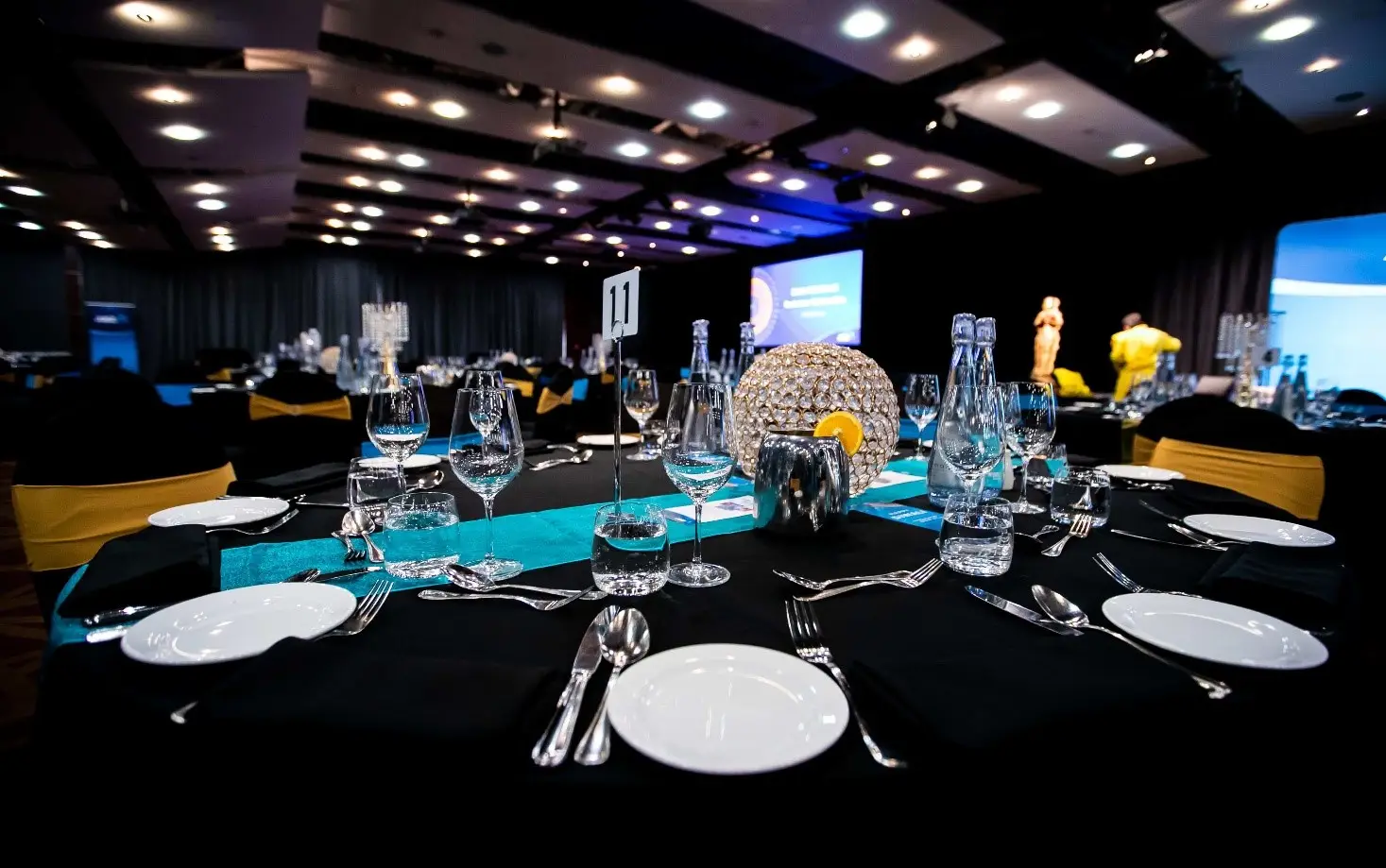
Choosing a location for a business gathering is not simply a matter of finding an attractive room with enough chairs. The setting can influence how people interact, how smoothly the schedule runs, and even how attendees remember the organization behind the event.
That is why selecting the right Corporate Event Venues deserves more thought than comparing photographs and rental prices. A successful venue should support the purpose of the gathering while making practical tasks easier for organizers and comfortable for guests.
Whether the Redwood Event Center Fairfax occasion is a leadership meeting, networking evening, product presentation, company celebration, training session, or industry conference, the physical environment can become part of the overall experience.
Begin With the Purpose of the Event
Before looking at venues, define what the event is supposed to accomplish.
A company hosting a training session may need a quiet room with flexible seating and reliable presentation equipment. A networking event may benefit from an open layout that encourages people to move around and start conversations. A product launch may require an area where branding, demonstrations, photography, and guest interaction can happen naturally.
These requirements are very different.
Instead of asking, “Which venue looks impressive?” start with a more useful question:
“What should attendees be able to do comfortably in this space?”
The answer will immediately narrow the list.
The Room Should Match the Way People Will Interact
Capacity is important, but capacity alone does not tell you whether a venue is suitable.
A room designed for a formal presentation may not work well for a collaborative workshop. Likewise, a large open hall might be perfect for an exhibition but feel disconnected during a small executive gathering.
Consider the expected movement of attendees.
Will people remain seated for most of the event? Will they need to visit different activity stations? Will there be group discussions? Are guests expected to eat while networking?
The physical arrangement should support those behaviors rather than forcing the event team to work around the building.
See more: corporate events venue
Location Can Affect Attendance
A beautiful venue becomes less useful if guests struggle to reach it.
When comparing Corporate Event Venues, examine transportation options and the surrounding area. Consider how attendees are likely to travel and whether parking is available.
For events involving people from different cities, nearby hotels can be especially valuable. A convenient location can reduce travel stress and make it easier for participants to arrive on time.
Accessibility should also be considered from the beginning. Entrances, elevators, restrooms, seating arrangements, and pathways should accommodate attendees with different mobility requirements.
A venue that works for a wider range of guests creates a more welcoming professional environment.
Technology Is Part of the Venue
Modern business events often depend on technology.
Presentations may require large displays, microphones, speakers, video conferencing, lighting, recording equipment, or high-speed internet. Even a simple networking event may rely on digital registration or electronic displays.
Ask the venue what technology is already available and what your event team must bring independently.
More importantly, find out who handles technical problems during the event.
A strong presentation can lose momentum quickly if nobody knows how to solve an audio issue or reconnect a presentation system. Having an experienced technical contact on-site can make a major difference.
Branding Should Feel Natural
Corporate events often provide an opportunity to reinforce a company’s identity.
However, branding does not need to turn the venue into a wall of logos.
Look for spaces where company colors, signage, displays, product installations, or branded materials can be incorporated without making the environment feel excessive.
A neutral architectural backdrop can sometimes be more useful than an aggressively themed location because it gives the organization greater freedom to create its own visual identity.
Ask about decoration policies before signing an agreement. Some venues have strict rules concerning banners, adhesive materials, lighting, installations, or outside vendors.
Food and Beverage Can Shape the Experience
Catering is not simply a hospitality detail. It can affect the rhythm of an event.
A long lunch break may create useful networking opportunities, while poorly timed service can interrupt presentations or cause delays.
When reviewing Corporate Event Venues, ask whether the venue provides catering directly or works with external suppliers.
Consider the expected schedule and the type of food that fits it. A formal seated meal may suit an awards evening, while small plates or stations might work better for a networking reception.
Dietary requirements should also be discussed early. A professional event should give attendees practical choices without making them uncomfortable about explaining their needs.
Lighting and Acoustics Deserve More Attention
Two elements are often overlooked during venue tours: sound and lighting.
A room can look spectacular in photographs but perform poorly during an actual presentation.
If speech is difficult to hear, attendees become distracted. If lighting is too harsh, photographs may suffer. If a space is excessively dark, people may struggle to read materials or navigate safely.
Visit the venue at approximately the same time of day as your planned event whenever possible. Natural light can change dramatically throughout the day.
For presentations, also check whether screens remain visible under the existing lighting conditions.
Think About the Event Schedule
A venue may be available for the event itself but offer limited time for preparation.
That can become a serious problem.
Ask when vendors can arrive, when decorations can be installed, how long setup is permitted, and when everything must be removed.
For complex events, a few additional setup hours may be more valuable than a slightly cheaper rental price.
The goal is to create enough breathing room for the team to handle unexpected issues without guests watching the preparation process.
Ask About Hidden Costs
The advertised venue price rarely tells the entire financial story.
Additional charges may involve staffing, cleaning, security, furniture, technology, overtime, parking, catering, service fees, or equipment.
Before comparing different Corporate Event Venues, create a complete cost estimate for each option.
A venue with a higher initial rental fee may ultimately be more affordable if it already includes equipment and staff. Conversely, a seemingly inexpensive location can become costly after multiple extras are added.
Request a detailed quotation rather than relying on a headline price.
Consider the Atmosphere You Want to Create
Every event communicates something about the organization.
A modern conference center may create a structured and professional impression. A refined restaurant can feel more conversational. A creative studio may encourage experimentation and informal interaction.
There is no universally perfect atmosphere.
The right choice depends on the message the business wants to communicate.
An executive strategy meeting may call for privacy and concentration, while an employee appreciation event may benefit from a relaxed environment where people can socialize without feeling like they are still at work.
Visit Before Making the Final Decision
Photographs are useful for creating a shortlist, but they cannot replace an in-person visit.
Walk through the entire attendee journey.
Imagine arriving at the entrance. Where does registration happen? Where do guests wait? How easily can they find the main room? Where will speakers prepare? How will catering reach the tables? What happens if the schedule runs late?
These practical questions often reveal problems that are invisible in promotional images.
Bring your event schedule and discuss it with the venue representative. Their responses can also tell you how experienced the team is at handling corporate functions.
Build a Venue Checklist
Before signing a contract, document the details that matter to your event.
Your checklist might include:
- Maximum and comfortable guest capacity
- Available event dates
- Setup and breakdown periods
- Parking and transportation
- Accessibility
- Wi-Fi reliability
- Audio and visual equipment
- Catering arrangements
- Decoration restrictions
- Staffing
- Security requirements
- Cancellation terms
- Overtime charges
- Insurance requirements
- Vendor policies
Having everything in writing reduces confusion later.
Final Thoughts
The best Corporate Event Venues do more than provide a physical address. They create an environment where the event’s purpose can unfold naturally.
A successful choice balances location, layout, technology, hospitality, accessibility, branding opportunities, atmosphere, and budget. Most importantly, it should make life easier for both attendees and organizers.
Instead of choosing a venue because it looks impressive online, evaluate how well it supports the actual experience you are trying to create. When the space works with the event rather than against it, presentations become easier, conversations flow more naturally, and guests can focus on what truly matters.
A carefully selected venue may not be the most noticeable part of a corporate event—but when everything works smoothly, it becomes one of the reasons the entire occasion feels professional.
For more information : click here